Product Description
Here's a breakdown of Smoke Curtain specifications, keeping in mind that specific details can vary significantly between manufacturers and the intended application:
I. General Function and Purpose:
- Smoke Containment: The primary function is to restrict the movement and spread of smoke and hot gases within a building during a fire.
- Compartmentation: Creates smoke compartments, limiting smoke spread and maintaining tenable conditions in unaffected areas.
- Egress Route Protection: Helps to keep escape routes clear of smoke, allowing occupants more time for safe evacuation.
- Smoke Management System Support: Often used in conjunction with smoke ventilation systems to channel smoke towards extraction points.
II. Key Performance Specifications:
- Fire Resistance Rating (Integrity): While the primary function is smoke control, smoke curtains often have a fire resistance rating (E - Integrity) indicating the time they can withstand fire exposure without failure (e.g., E60, E120 minutes). Some may also have ratings for heat radiation (EW) or insulation (EI).
- Smoke Leakage: A crucial specification, indicating the amount of smoke that can pass through the curtain assembly when subjected to pressure differences. Standards like UL 1784 (Air Leakage Tests of Door Assemblies and Other Opening Protectives) and BS EN 1634-3 (Smoke control tests for door and shutter assemblies) define acceptable leakage rates.
- Activation:
- Automatic: Triggered by the building's fire alarm system or local smoke/heat detectors.
- Gravity Fail-Safe: Designed to deploy automatically under gravity in case of power failure.
- Controlled Descent: Descent speed is typically regulated (e.g., 6 to 24 inches per second as per NFPA).
- Deployment:
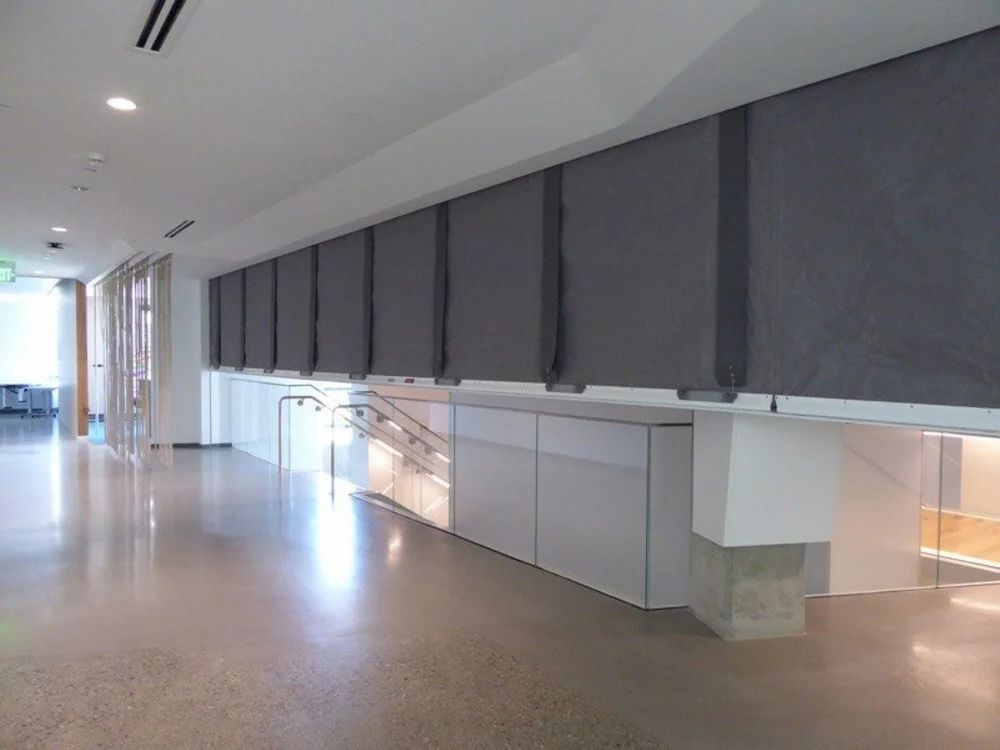
- Vertical: Most common, deploying downwards from the ceiling.
- Horizontal: Used in specific applications.
- Concertina: Can deploy in a multi-sided configuration.
- Dimensions:
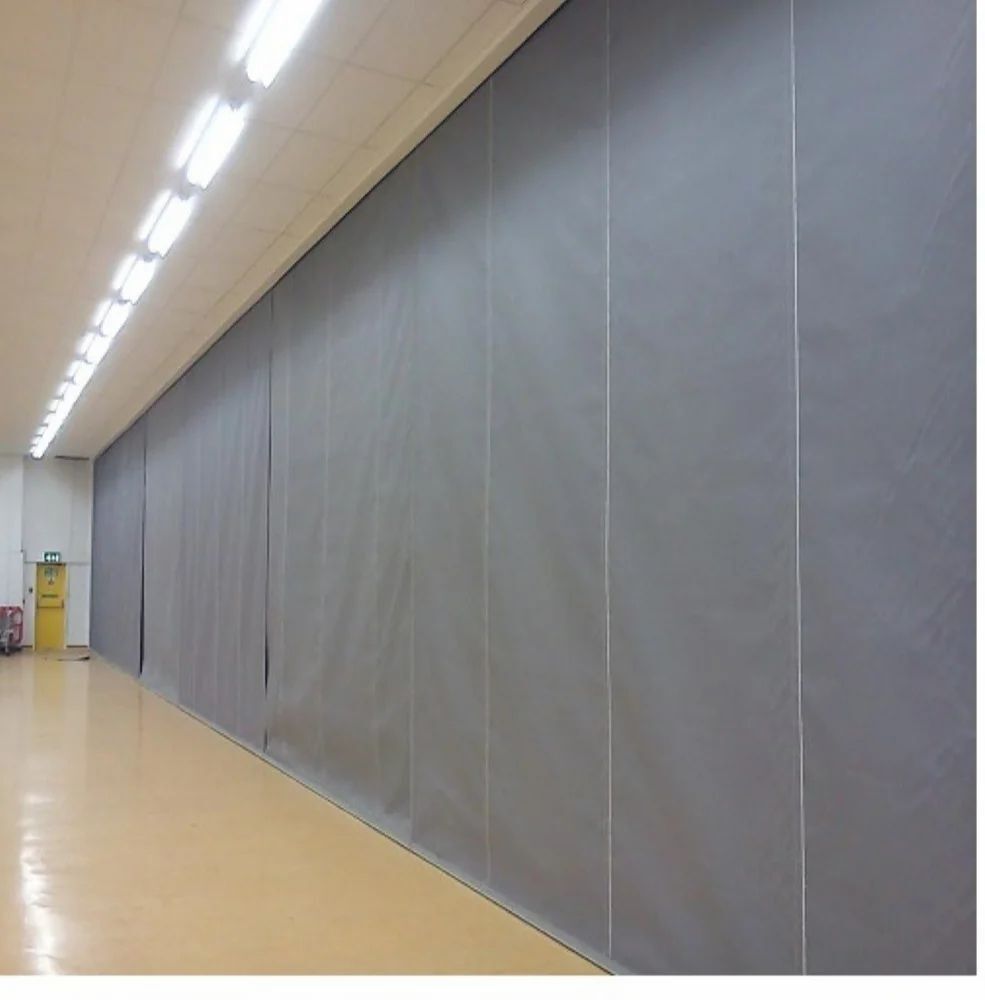
- Maximum Width: Can range from a few meters to unlimited widths using overlapping curtains.
- Maximum Drop (Height): Typically up to several meters (e.g., 3m, 6m, 10m), but can vary.
- Operational Reliability: Must be tested and certified to ensure reliable deployment in an emergency. Standards like BS 8524 (Performance for Active Fire Curtain Barriers) address this.
- Response Time: The time taken for the curtain to deploy upon activation should be minimum
-
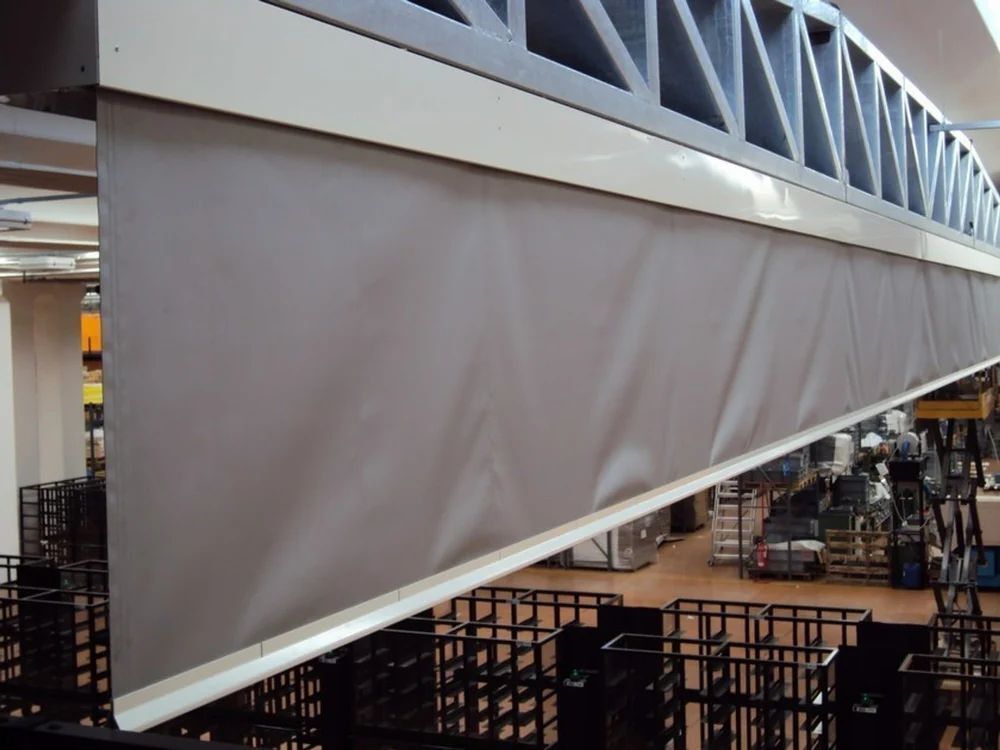
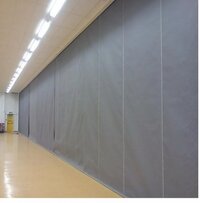
- A smoke curtain is a fire safety device designed to contain and control smoke in the event of a fire. Here's a detailed overview:
-
- Key Features
-
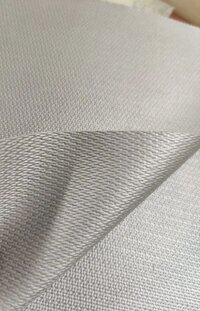
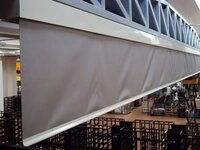
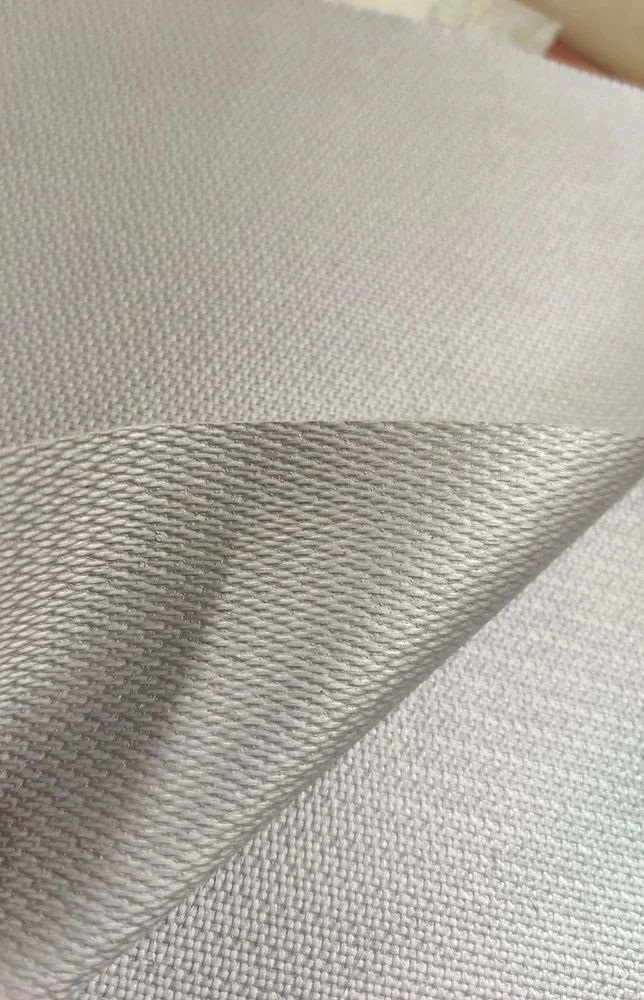
- Fire-Resistant Materials: Smoke curtains are made from fire-resistant materials, such as fiberglass or ceramic fabrics, that can withstand high temperatures. Smoke Containment: Smoke curtains are designed to contain and control smoke, preventing it from spreading to other areas of a building.
- Automatic Deployment: Smoke curtains can be designed to deploy automatically in the event of a fire, triggered by smoke detectors or other fire safety systems.
- Customizable: Smoke curtains can be customized to fit specific applications and building designs.
-
- Benefits
- Smoke Control: Smoke curtains help control smoke, reducing the risk of smoke-related injuries and fatalities.
- Life Safety: By containing smoke, smoke curtains can help ensure a safe evacuation route for building occupants.
- Property Protection: Smoke curtains can help protect property by preventing smoke damage to adjacent areas.
- Code Compliance: Smoke curtains can help buildings meet local fire safety codes and regulations.
- Applications
- Commercial Buildings: Smoke curtains are commonly used in commercial buildings, such as shopping malls, offices, and hotels.
- Industrial Facilities: Smoke curtains are used in industrial facilities, such as manufacturing plants and warehouses.
- Public Buildings: Smoke curtains are used in public buildings, such as schools, hospitals, and theaters.
- High-Rise Buildings: Smoke curtains are particularly important in high-rise buildings, where smoke can spread quickly through stairwells and elevator shafts.
-
- Types of Smoke Curtains
- Fabric Smoke Curtains: Made from fire-resistant fabrics, these curtains are designed to deploy automatically in the event of a fire.
- Rigid Smoke Curtains: Made from rigid materials, such as steel or aluminum, these curtains prove a more durable solution for smoke containment.
- Automatic Smoke Curtains: Designed to deploy automatically in the event of a fire, these curtains can be triggered by smoke detectors or other fire safety systems.
- Manual Smoke Curtains: Designed to be deployed manually, these curtains require human intervention to activate




 Send Inquiry
